

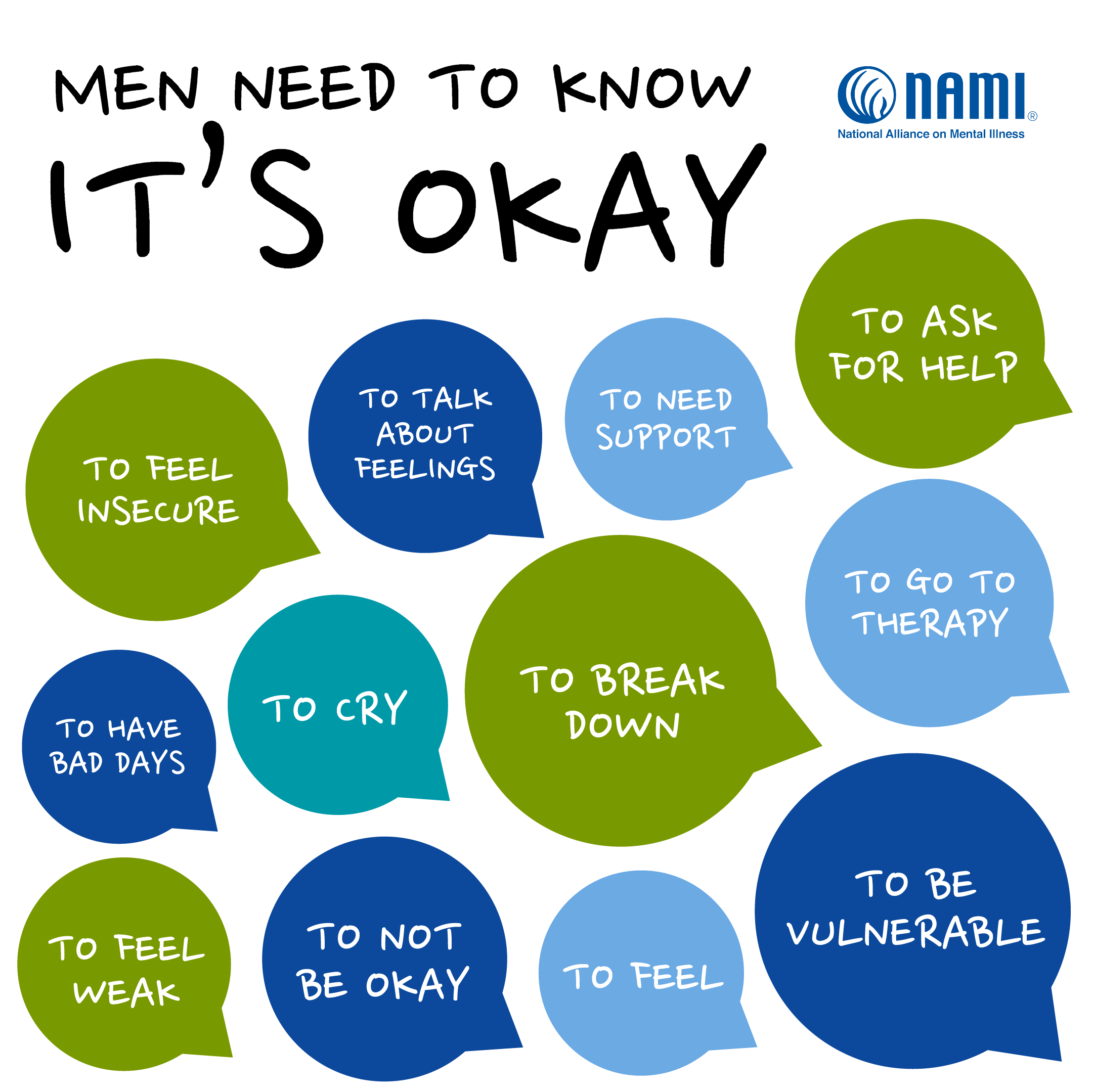
June is National Men’s Health Month, a time to remind men of the health issues they face and what they can do to take charge of both their physical and emotional health.
Statistics show that men are more apt to smoke and drink alcohol than women and they’re more likely to be overweight than women. The average life expectancy for U.S. males is five years shorter than for females, and not all that difference is due to biology but also, could be due to lifestyle. Studies have found that men are often less likely to go to the doctor than women. According to a large national survey conducted by the Centers for Disease Control and Prevention (CDC), 17% of men said they didn’t have a “usual place to go for medical care” compared to just 10% of women. An article by Physicians Health Medical Care (PHMC), stated that life expectancy for men is five year less than that of women, and men are up to 50% less likely than women to go to the doctor.
There are certain risk factors that men need to be aware of that they are more prone to than women. Prostate cancer is the most common cancer in men in the United States, aside from skin cancer, and the second leading cause of cancer death in men, after lung cancer. About 1 in 8 men will develop prostate cancer in their lifetime, and the risk increases with age. For this reason, men should have a yearly exam to check for prostate issues. Other screenings include a colonoscopy to check for colon issues, blood work to check for issues like high cholesterol or diabetes, and EKGs (electrocardiograms) to check for heart problems. It is recommended that men get their blood pressure checked yearly and their cholesterol checked every 1-5 years, depending on their age and levels.
It is advised that men be aware of the important role the hormone testosterone plays in their bodies. Testosterone is the androgenic sex hormone responsible for hair growth, muscle mass and strength, bone density, fat distribution and more. There is a natural decline in testosterone levels between the ages of 30 to 40 and causes of low testosterone can include: being overweight and carrying excess belly fat, physical inactivity, poor nutrition, excessive alcohol consumption, or having medical problems including untreated sleep apnea or diabetes.
Like women, men should protect their physical health in a variety of ways such as eating a balanced diet low in processed foods and sugar, exercise regularly, limit alcohol and get proper sleep. Similarly, men should protect their mental health and well being in ways recommended for women such as practicing meditation and mindfulness, seeking professional help when needed, and paying attention to common warning signs of mental health problems such as problems sleeping, feeling down or a lack of interest in daily activities.
According to an article from the Association of American Medical Colleges, (AAMC), men in the United States die by suicide at a rate four times higher than women. And yet, men are diagnosed with depression and mood disorders at far lower rates than women. While some mental health care service providers may be gender sensitive and recognize the ways that gender-specific traits such as aggressiveness, alcohol use, and risky behavior are often part of the symptoms men with depression may present, there are limited courses and trainings that focus on gender differences in mental health. As a result, many mental health care service providers are less equipped to serve and offer gender-sensitive resources to men. Check out this recent article by National Institute of Mental Health on Men and Mental Health: https://www.nimh.nih.gov/health/topics/men-and-mental-health