

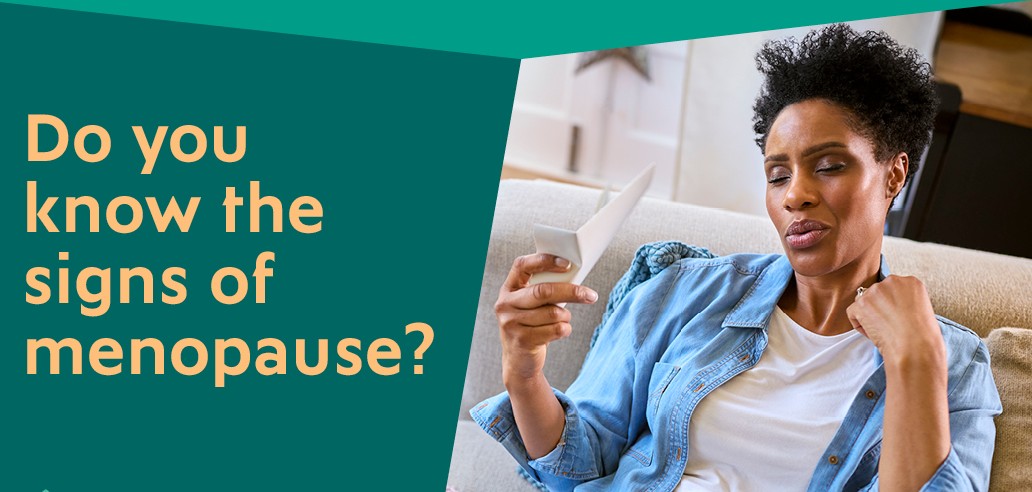
October is Menopause Awareness month, an observance created to increase awareness of the symptoms and treatments for managing this sometimes very challenging time of life for many women. Common physical symptoms may include brain fog, heart pounding or racing, hot flashes, night sweats, skin flushing, sleep problems/insomnia and mood swings. Psychological changes often occur during this time as well. Risks of depression, anxiety, and alcohol and substance use rise during menopause. Cognitive troubles commonly include having difficulty concentrating, experiencing short-term memory failures, and losing motivation
While a number of new prescriptions are on the market to manage menopause symptoms, some widely suggested lifestyle changes to try to minimize menopause symptoms include:
- Exercise
- Deep Breathing
- Yoga
- Acupuncture
- Cognitive Behavioral Therapy
- Mindfulness
Studies have also shown that menopause can be controlled with diet. A diet rich in Vitamin D and B12 and low in sugar, alcohol and processed food can be helpful during this challenging time. Vitamin D is known to play an important role in the maintenance of calcium homeostasis and bone metabolism. Menopausal women are at risk of reduced bone density and increased risk of fracture due to a decline in estrogen levels.
Below is a link to an article by Well Health that points out the benefits to Vitamin E, probiotics and other supplements for maintaining bone health, decreasing hot flashes and easing depression during the menopause years:
https://www.verywellhealth.com/menopause-supplements-11745284
The importance of supporting women during menopause is becoming more widespread in the US and an increasing number of employers are offering menopause education for their employees. See the link below for information from The World Health Organization, stating that social, psychological and physical health support during the menopausal transition and after menopause should be an essential part of health care.
https://www.who.int/news-room/fact-sheets/detail/menopause/
The link below from Menopause.org offers more resources and information on menopause treatment and management: